Mimi’s photos capture the people, places, and experiences that have shaped her work as an anthropologist, global traveler, author, and memoirist.
India
Early Ethnographic Fieldwork
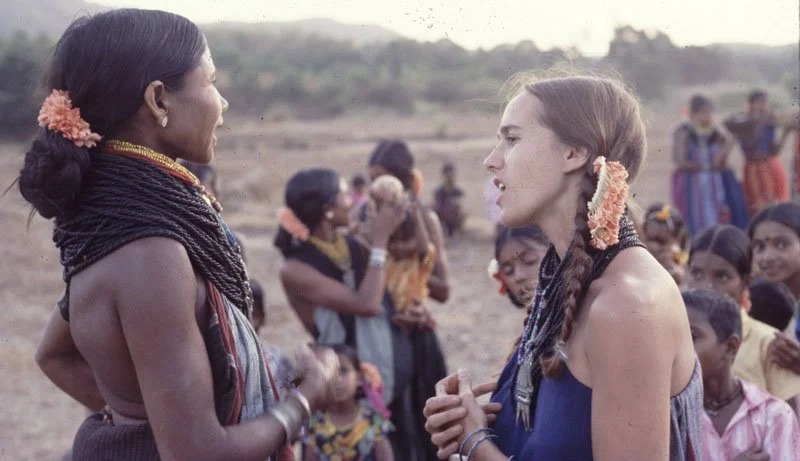
In the late 1970s, we lived with the Halakki Gowdas in coastal Karnataka. As a way of welcoming me to their village, each woman gave me a strand of her beads.
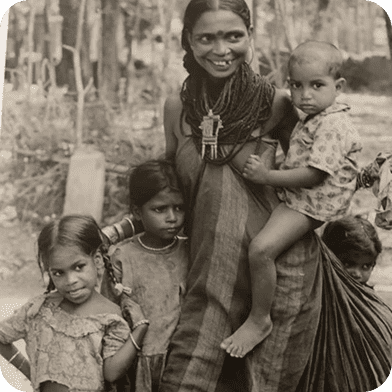
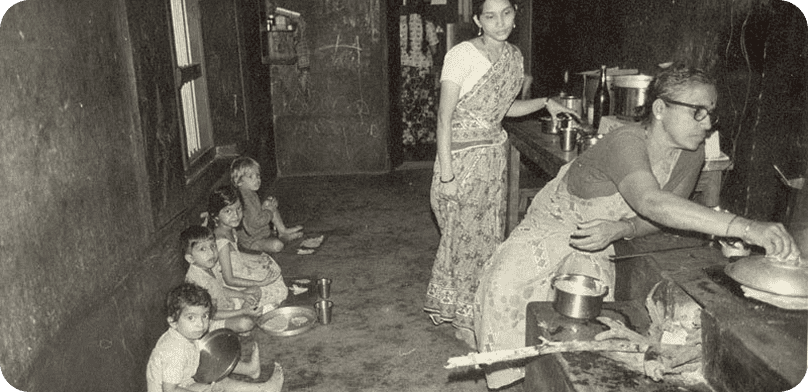
A Halakki Gowda woman and her children.
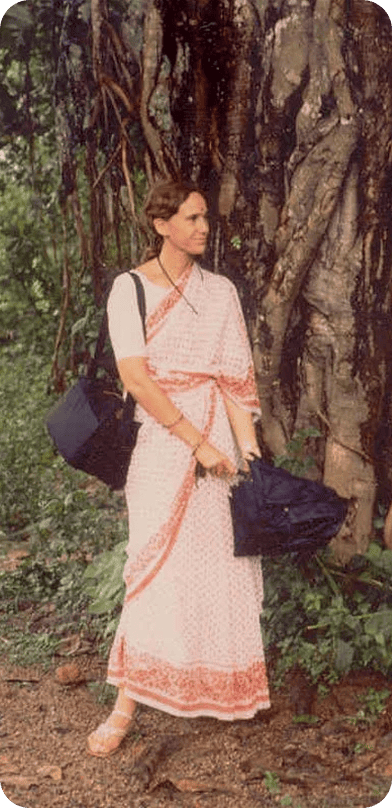
In the early years of fieldwork, I always wore a sari.
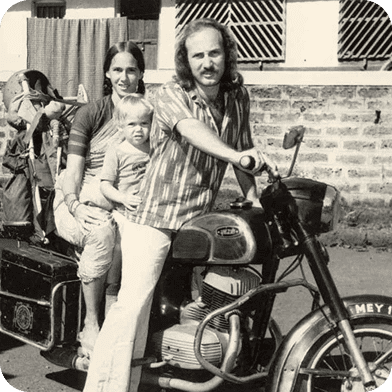
In the 1970s, most of our travel around our fieldsite in Karnataka, South India was done by motorcycle. Here are Mark Nichter, myself, and our two-year-old son, Simeon.
Our close friends often had us over for meals. Here our son joins with the other children for breakfast.
Smoke Free Homes
India & Indonesia
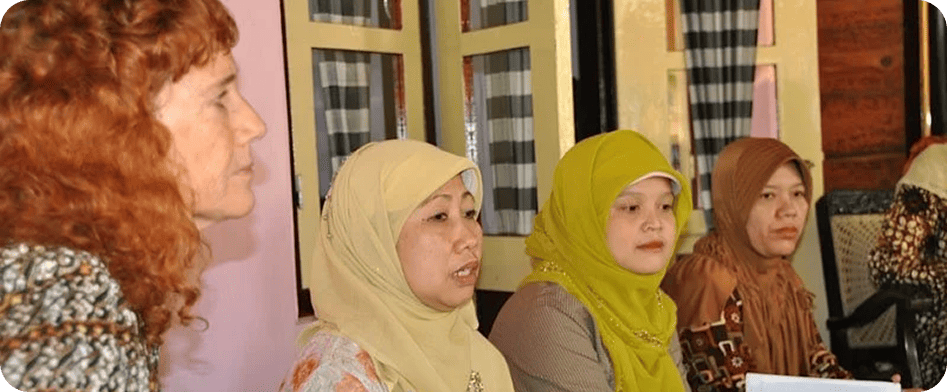
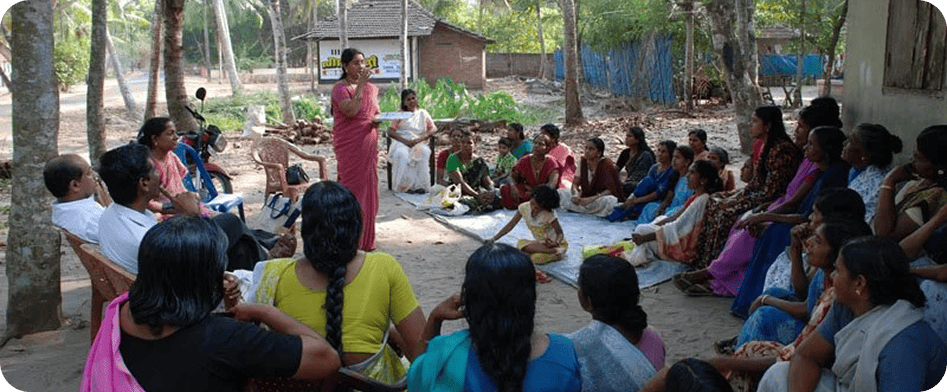
Meeting with a women’s group in Yogyakarta, Indonesia to discuss establishing smoke free homes.
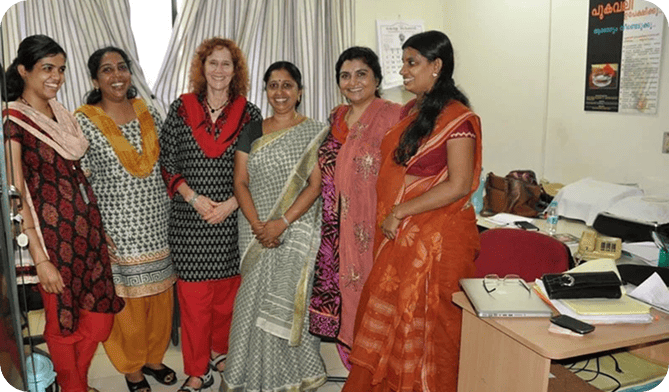
The India team of researchers for Project Quit Tobacco International.
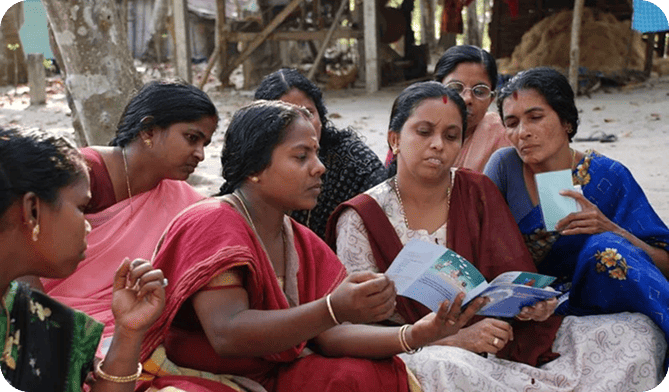
Women review educational materials on secondhand smoke developed by our team.
A colleague explains the harms of secondhand smoke to a group of women activists in rural Kerala.
Family Connections
Children & Families
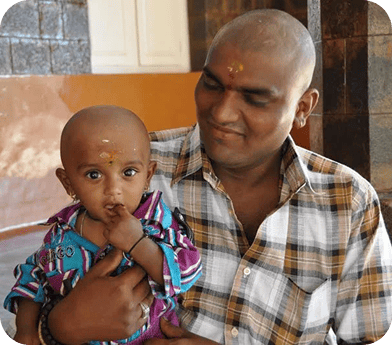
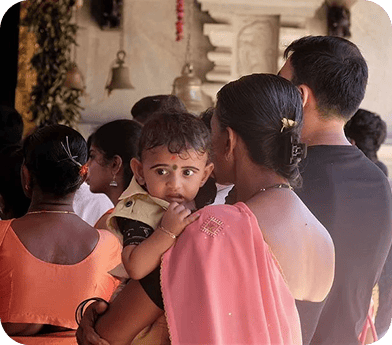
Parents and children have their hair shaved as an offering to a deity, typically when the child is suffering from illness.
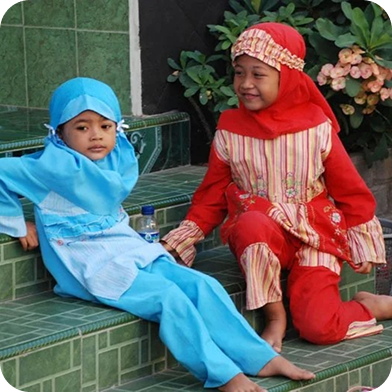
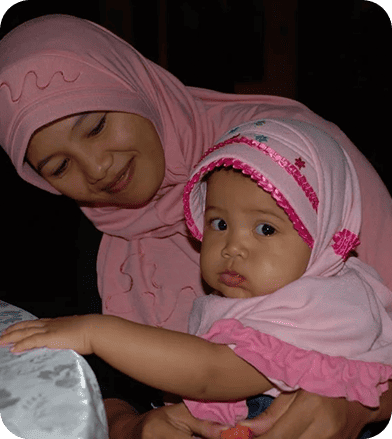
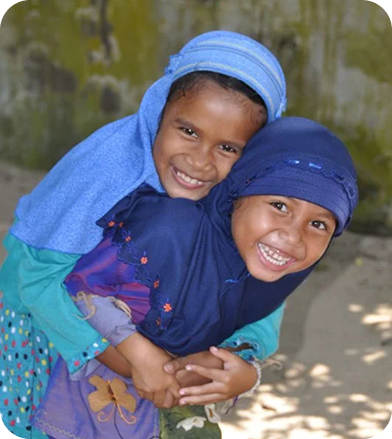
Girls return home after attending religious classes (Solo, Indonesia).
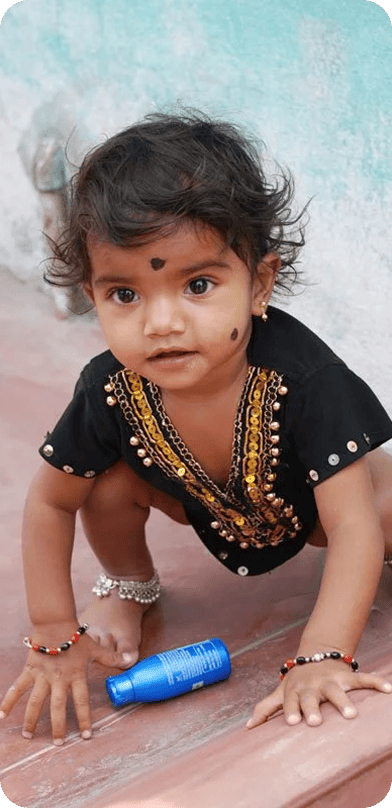
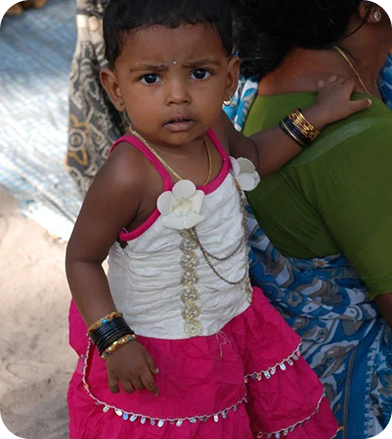
The black marks and black beads are to avert the evil eye (Karnataka, India).
Yogyakarta, Indonesia.
Enjoying the freedom of childhood (Maluku Islands, Indonesia).
After offering a child’s hair to a deity in exchange for blessings for good health, parents vow to return annually to the temple.
Culture & Tradition
Rituals in South India
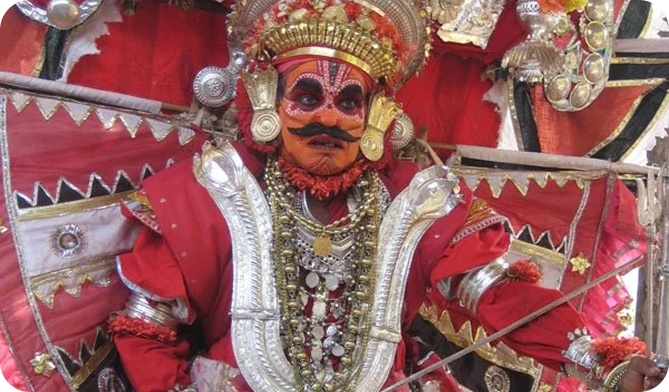
This is a non-Brahmin ritual, buta kola, Performed for the local spirits of the land. These rituals promote social solidarity and ensure the well-being of the community.
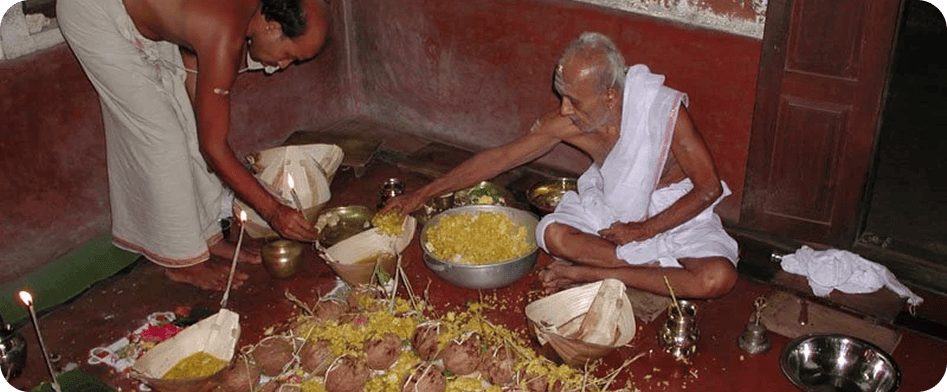
Brahmin priests prepare a special ritual for the god of ayurveda, Dhanvantari.
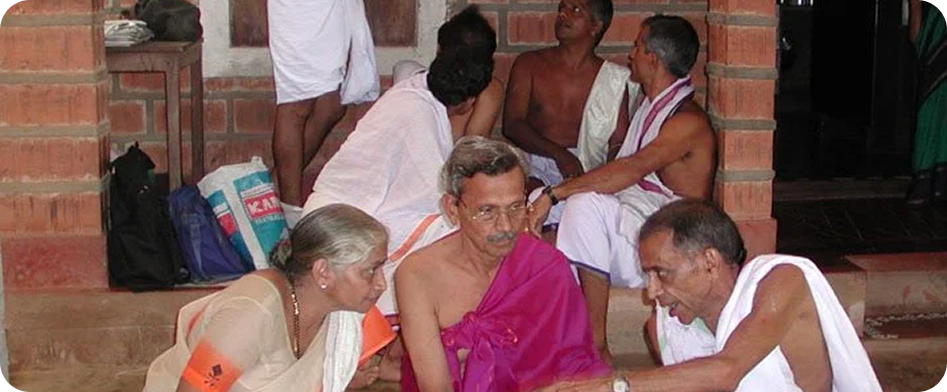
The man in pink is an ayurvedic practitioner sponsoring this ritual as a offering to the god of ayurveda. If not performed, the illnesses of patients he has cured can come onto his body.
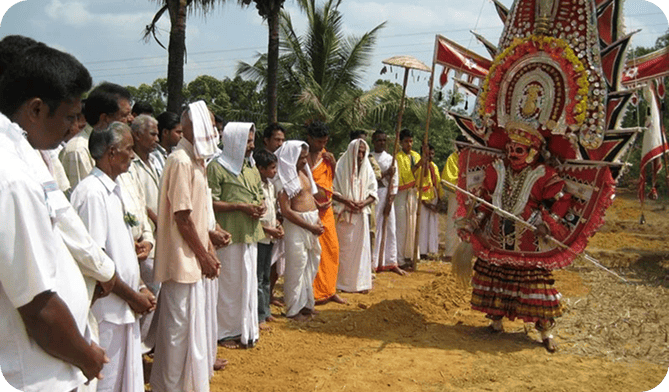
Community members gather near the buta to discuss interpersonal and community problems. The buta promises to look after the villager’s well-being in the coming year.
Everyday Moments
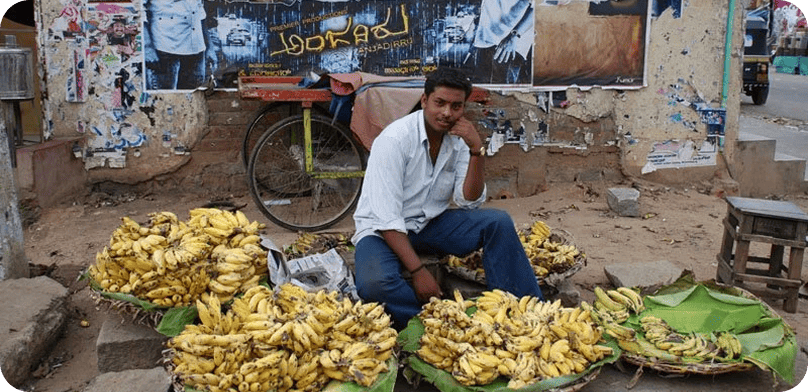
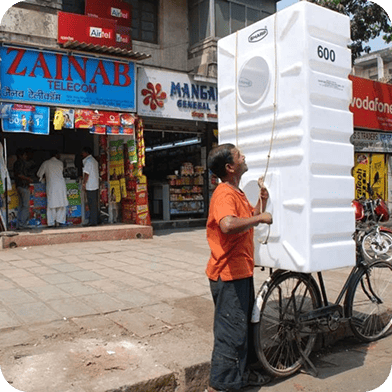
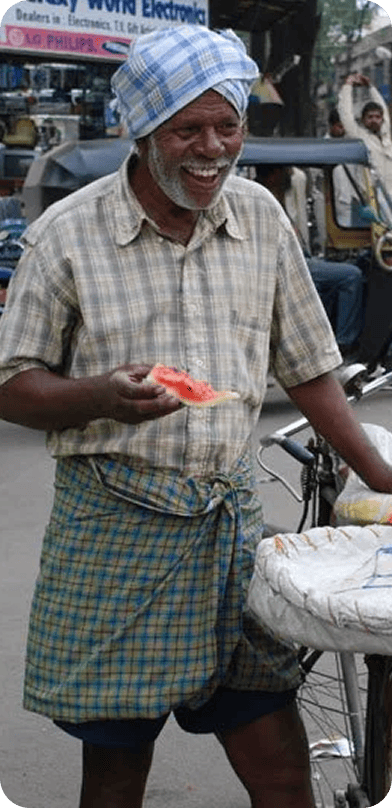
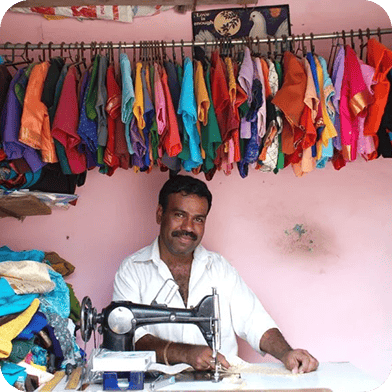
Street Life
Let's Connect
Start a Conversation
Whether you’re interested in my books, media appearances, speaking engagements, or have a question to share, I’d love to hear from you.